

San José is the capital of Costa Rica. Located on an intervolcanic plateau in the center of the country, San José is famous for being an important industrial, business, and tourist hub in Central America and for the main gateway to explore the wonders of Costa Rica. In this post, we will discover the best areas to stay in San José, CR.
Today, the city’s center is a busy grid of commercial streets, markets, and government offices, surrounded by neighborhoods with distinct identities. Barrio Amón preserves 19th-century mansions now housing cafés, galleries, and boutique hotels, while Barrio Escalante has become known for contemporary dining and nightlife. The large green expanse of La Sabana Metropolitan Park sits to the west, home to the National Stadium and a popular spot for outdoor activities. Meanwhile, Escazú is home to some of San José’s best shopping centers, restaurants, and nightlife venues.
San José also offers a strong cultural scene. The Teatro Nacional de Costa Rica, built in 1897, remains the city’s architectural centerpiece, while the Museo Nacional and Museo del Oro Precolombino display important collections on the country’s history and pre-Hispanic heritage. Public art, pedestrian zones, and covered markets like Mercado Central add to the city’s walkable appeal. Find accommodation in Downtown San José.
To get to San José by air, the city is served by Juan Santamaría International Airport. Located 20 km (12 miles) west of the city center, this airport offers a wide range of regional connections to Central America and Mexico and frequent mid and long-haul flights to destinations in the US, South America, and Spain. San José is also connected by the Tren Interurbano (Interurban Train), a passenger rail line connecting the provinces of Alajuela, Heredia, San José, and Cartago, and by a very well-developed network of inter-city buses. See long-distance bus routes, schedules & fares. Local transportation in San José consists of bus lines and there are also taxi services available. Costa Rica is safe to drive in, and you can rent a cheap car during your stay.
Keep reading to find out more about the best location in San José for tourists.
What is the best area to stay in San José, Costa Rica?
For most travelers, Barrio Escalante is the best area to stay in San José, Costa Rica. It’s safe, walkable, and well-connected, with a concentration of the city’s best restaurants, coffee shops, and bars. You’ll still be close enough to downtown to reach the Teatro Nacional, Museo Nacional, and Mercado Central in minutes by taxi or rideshare, but far enough from the busiest streets to enjoy quieter evenings. Many boutique hotels and guesthouses here occupy restored homes, giving the area a more local, residential feel while offering easy access to public transport and major roads for day trips.
Find accommodation in Barrio Escalante.
The Best Areas to Stay in San José, Costa Rica
1. Barrio Escalante
Our recommended area to stay in San José
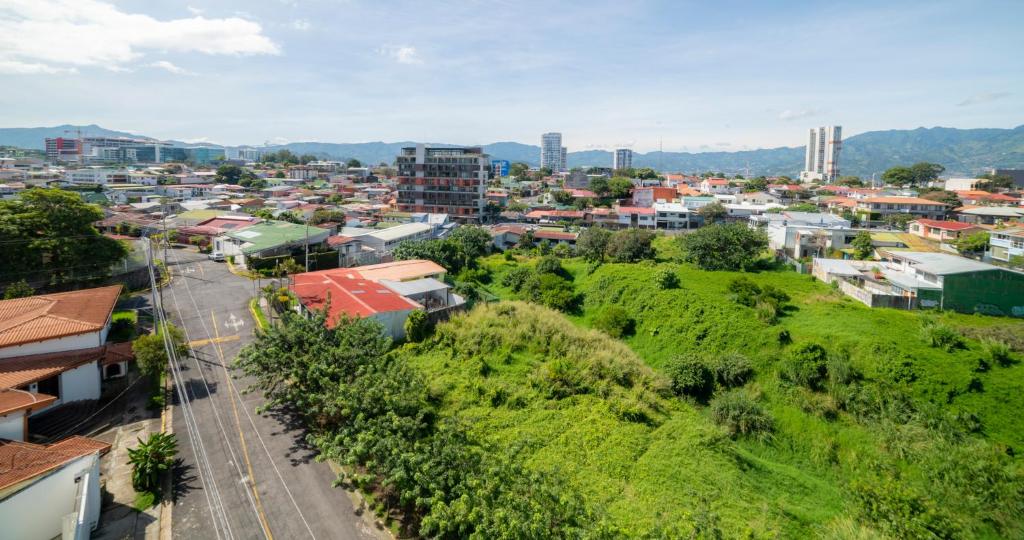
Located just east of downtown, Barrio Escalante has transformed over the past decade from a quiet residential neighborhood into San José’s main dining and nightlife hub. Its tree-lined streets are dotted with early-20th-century houses, many converted into cafés, gastropubs, and contemporary restaurants. This mix of historic architecture and modern venues gives the area a distinct character while maintaining a safe and relaxed atmosphere.
The neighborhood is best known for its culinary scene. The heart of the action is along Calle 33, often called “La Calle de la Amargura” by locals, where you’ll find everything from Costa Rican fusion to international cuisine. In the evenings, the area comes alive with craft beer bars, cocktail lounges, and small music venues, making it one of the city’s most vibrant places after dark.
While Barrio Escalante is primarily a leisure district, its location offers easy access to San José’s cultural landmarks. The Museo Nacional de Costa Rica, Museo del Jade, and Teatro Nacional are a short taxi or rideshare trip away. Public buses and bike lanes also connect the area with downtown and other parts of the city.
Accommodation here ranges from stylish boutique hotels to comfortable guesthouses, often set in renovated colonial homes. Staying in Barrio Escalante means being within walking distance of some of the best food in the capital while enjoying a quieter setting than the busy downtown core.
Featured Accommodations in Barrio Escalante

Valle de Escalante
Valle de Escalante in San José offers air-conditioned rooms with private bathrooms, city views, and modern amenities including free WiFi, tea and coffee makers, and work desks.

BEE Suites San José – Escalante
BEE Suites San José – Escalante in San José offers apartment-style accommodations with air-conditioning, a kitchenette, and a private bathroom. Each unit features a balcony with city views, a work desk, and soundproofing for a relaxing stay.

Casa Escalante Hostel
Casa Escalante Hostel in San José offers family rooms with private bathrooms, ground-floor units, and shared bathrooms. Each room includes a work desk and shower facilities.
2. Escazú
The safest area for tourists in San José, CR
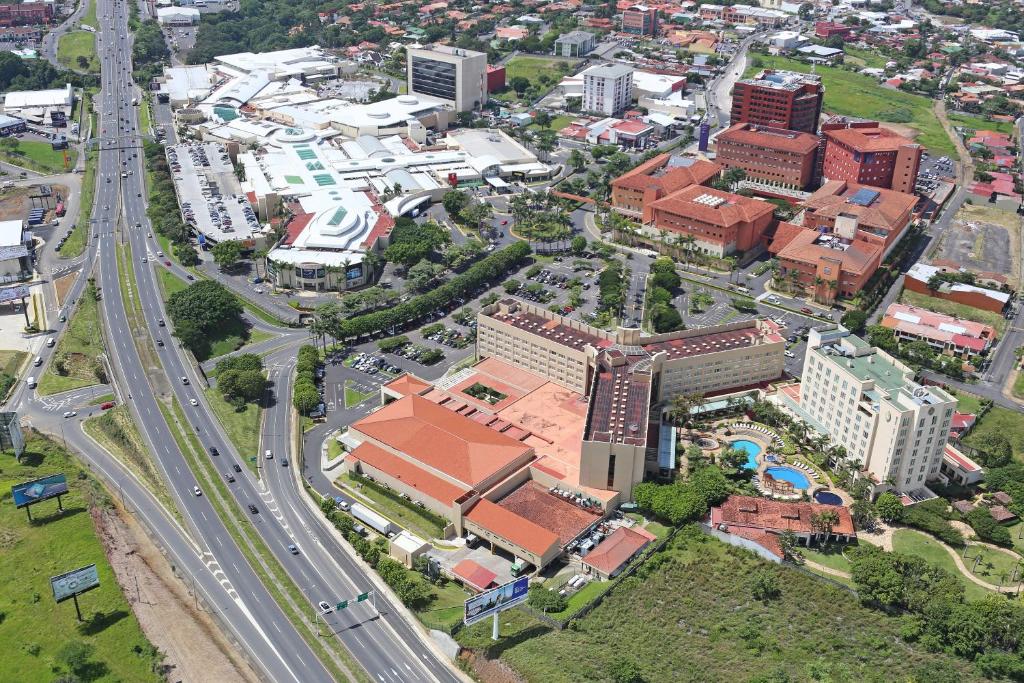
Situated about 9 km (5.5 mi) west of downtown San José, Escazú is one of the city’s most upscale areas, known for its modern shopping centers, luxury residences, and panoramic views over the Central Valley. Once a small colonial town, it has grown into a sought-after district that still preserves a traditional center around its main church and plaza, while expanding with contemporary developments.
Escazú is often called the country’s “Beverly Hills” due to its affluent profile and concentration of high-end amenities. It is home to Multiplaza Escazú, one of Costa Rica’s largest shopping malls, as well as gourmet supermarkets, international restaurants, and exclusive clubs. The area’s elevated position also offers cooler temperatures and cleaner air compared to the central districts.
Although it feels more suburban than urban, Escazú is well connected to San José via major roads, making it easy to reach the capital’s museums, theaters, and business districts. Its proximity to Route 27 also provides quick access to the Pacific Coast, making it a convenient base for day trips.
Accommodation in Escazú ranges from luxury hotels with full-service spas to serviced apartments and boutique properties. For travelers seeking comfort, security, and modern conveniences within easy reach of both the city and the coast, Escazú offers one of the most attractive options in the San José area.
Featured Accommodations in Escazú

Residence Inn by Marriott San Jose Escazu
Located in the exclusive commercial area of Avenida Escazú, a few steps from the Multiplaza Shopping Center and Itskatzú plaza. With its fully equipped rooms and a Pet Friendly policy, it is the best choice for long-stay travelers, medical tourism and leisure travel.

AC Hotel by Marriott San Jose Escazu
AC Hotel by Marriott San Jose Escazu in San José provides accommodations with a fitness center and a shared lounge. The hotel offers a Spanish restaurant.
Apartotel & Suites Villas del Rio
Set in a residential area, next to Costa Rica Country Club, Apartotel & Suites Villas del Rio features 2 outdoor pools, a hot tub and gym. A free airport shuttle service is offered.
3. La Sabana
Best location for families in San José
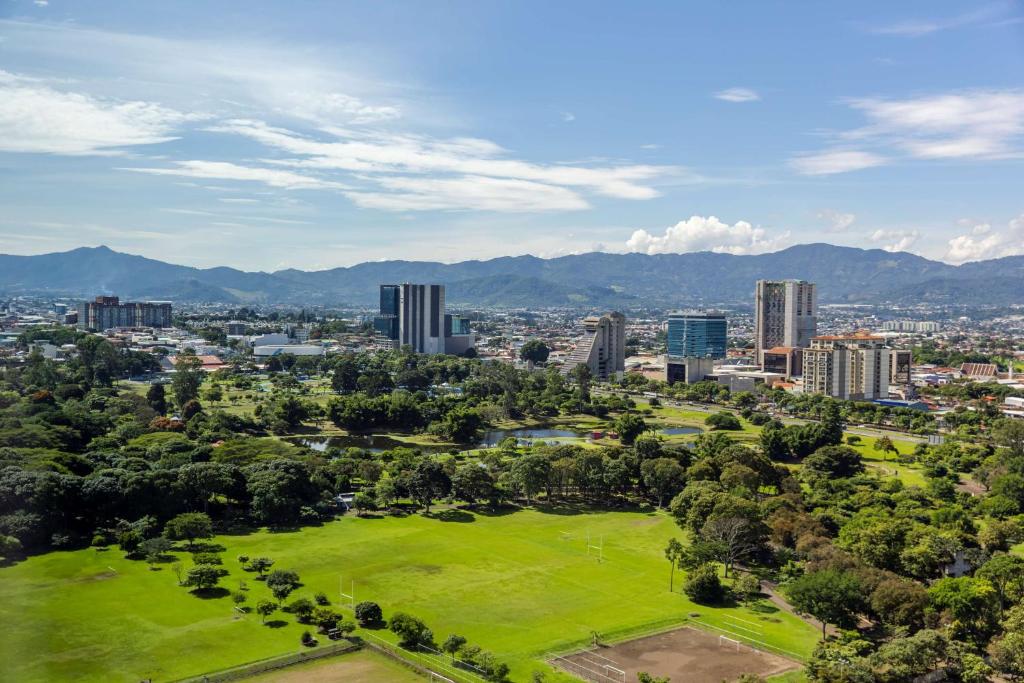
Bordering the western edge of downtown, La Sabana is centered around La Sabana Metropolitan Park, the largest urban park in Costa Rica. Once the site of the city’s main airport, the area was redeveloped into a vast green space in the 1970s and now serves as a recreational hub for locals and visitors. The park is home to the National Stadium, jogging paths, sports facilities, and the Museo de Arte Costarricense, housed in the former airport terminal.
La Sabana’s location makes it ideal for travelers who want quick access to both the city center and Juan Santamaría International Airport, about 15 km (9 mi) away. The neighborhood is well served by main roads and public transportation, allowing easy connections to downtown’s cultural attractions as well as day trips to the Central Valley and beyond.
The area has a mix of mid- to high-end hotels, many catering to business travelers due to its proximity to office complexes and embassies. At the same time, leisure travelers appreciate the open space, quieter streets, and range of dining options nearby. Staying in La Sabana balances convenience, access to green areas, and comfortable accommodation within minutes of downtown San José.
Featured Accommodations in La Sabana

Hilton San Jose La Sabana
Hilton San Jose La Sabana in San Jose offers comfortable rooms with air-conditioning, private bathrooms, and modern amenities. Guests enjoy balconies with mountain or city views, free WiFi, and flat-screen TVs.

Crowne Plaza San Jose La Sabana by IHG
The Crowne Plaza San Jose La Sabana is located right next to the La Sabana Metropolitan Park. The historical center of San Jose is a 10-minute walk away. You will also find within a walking distance the Costa Rican Museum of Art as well as business centers, supermarkets, and entertainment sites.

Hotel Columbus
Hotel Columbus in San Jose offers family rooms with private bathrooms, air-conditioning, and mountain or city views. Each room includes a dining table, refrigerator, work desk, and free toiletries.
4. Centro (Downtown San José)
Best San José area for backpackers
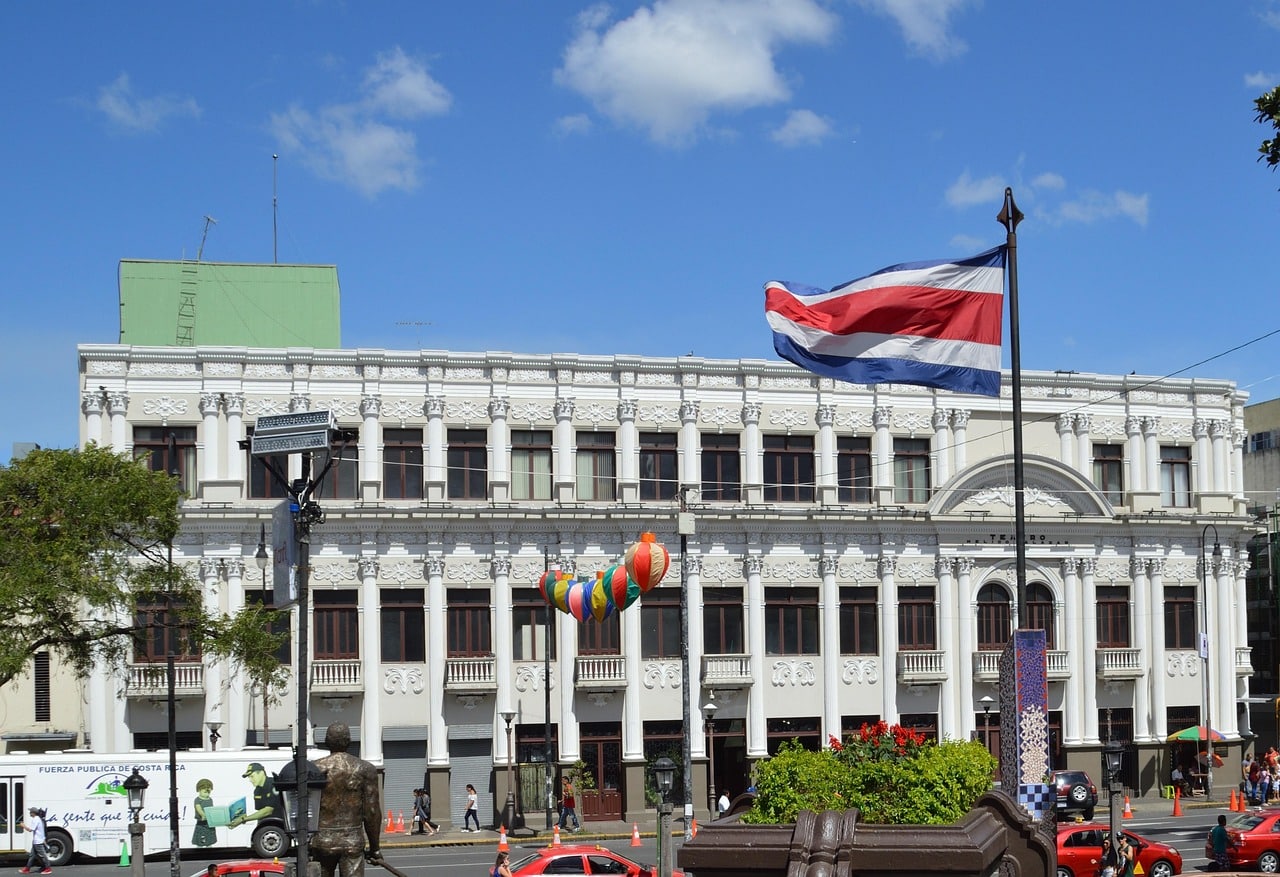
Centro is the historic and commercial heart of San José and the point from which the city expanded after becoming Costa Rica’s capital in 1823. Many of its streets still follow the original colonial grid, and the district preserves notable 19th- and early 20th-century architecture alongside modern buildings. This area holds several of the country’s most important landmarks, including the Teatro Nacional, built in 1897 during the coffee boom, the Museo Nacional de Costa Rica in the former Bellavista Barracks, and the Museo del Oro Precolombino, which houses an extensive collection of indigenous gold artifacts.
Visitors can explore Avenida Central, a pedestrian thoroughfare lined with shops and cafés, or step into the Mercado Central, operating since 1880 and offering traditional food, crafts, and daily market life. Public spaces such as Plaza de la Cultura and Parque Central serve as gathering points and frequently host cultural events and performances.
The district’s central location ensures the best public transport links in the city, with bus terminals, taxi stands, and connections to intercity routes. Its walkability makes it easy to visit multiple attractions in a short time.
Accommodation options range from budget hostels to mid-range hotels, many within historic buildings. Centro suits travelers who want immediate access to San José’s cultural and historic sites, though they should expect the lively, sometimes noisy, atmosphere of the capital’s busiest area.
Featured Accommodations in Downtown San José, CR

Hotel Cultura Plaza
Hotel Cultura Plaza features a tour desk and free WiFi throughout the property. All rooms feature a flat-screen TV with satellite channels, a private bathroom, room service, and currency exchange for guests.

Gran Hotel Costa Rica, Curio Collection By Hilton
Located in the heart of San José, surrounded by national museums, plazas, and walking boulevards, the venue is within walking distance to the main cultural and tourist attractions.
Hotel Colonial
Featuring neo-colonial architecture, a terrace, garden, and swimming pool, Hotel Colonial is located a 5-minute walk from San José’s main square and the National Museum.
5. Barrio Chino (Chinatown)
A central location to stay in San José
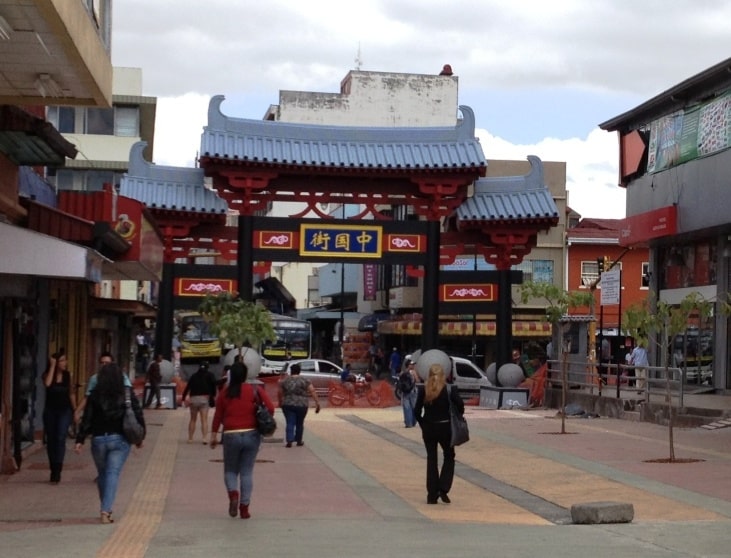
Located just south of Avenida Central, Barrio Chino is a cultural district inaugurated in 2012 to celebrate the ties between Costa Rica and the Chinese community. The area centers on a distinctive red archway on Paseo de los Estudiantes, marking the entrance to pedestrian-friendly streets lined with shops, markets, and restaurants.
Barrio Chino offers a mix of traditional Chinese businesses and Costa Rican establishments, with eateries serving dim sum, Cantonese dishes, and fusion cuisine alongside local fare. Street vendors and small supermarkets stock imported goods, making it a favorite spot for sourcing Asian ingredients.
The district is a short walk from major downtown attractions like the Museo Nacional and Plaza de la Democracia, and public buses run along nearby avenues. Its location within the central grid makes it easy to combine a visit with other downtown activities.
Featured Accommodations in San José’s Chinatown

Casa Mayela Guest House
Casa Mayela Guest House in San José offers adults-only rooms with private bathrooms, garden views, and modern amenities. Each room includes a private entrance, a wardrobe, and complimentary toiletries.
6. Alajuela
Best location for a layover or early flight out of SJO
Located about 20 km (12 mi) northwest of San José, Alajuela is Costa Rica’s second-largest city and a major hub in the Central Valley. Known for its warm climate and agricultural surroundings, it played an important role in the country’s colonial and independence history. Its central park, Parque Central de Alajuela, is a popular gathering place framed by the cathedral and municipal buildings, while the Juan Santamaría Historical Museum honors the national hero born here.
The city offers local markets, shops, and a slower pace than the capital, making it a good option for those seeking a more laid-back atmosphere. It also serves as a gateway to nearby attractions such as Poás Volcano National Park and coffee plantations in the surrounding highlands.
Alajuela is connected to San José by major highways and frequent bus services, with travel times varying from 30 minutes to an hour depending on traffic. Its location also makes it convenient for exploring the northern and Pacific regions of Costa Rica.
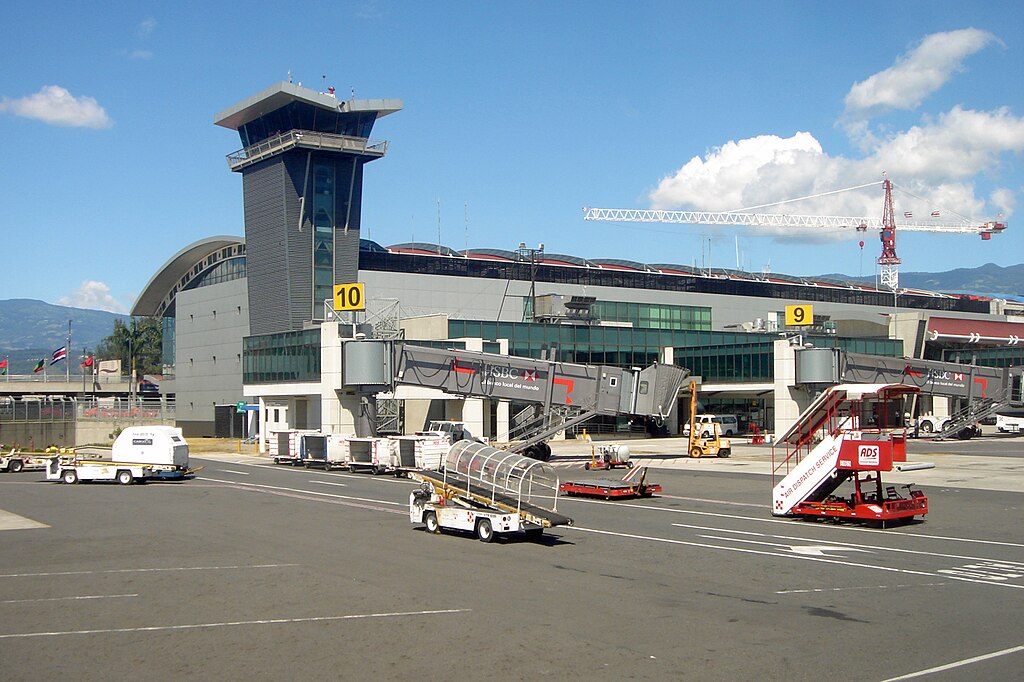
Juan Santamaría International Airport, located just 3 km (1.8 mi) from Alajuela’s center, is Costa Rica’s main international gateway. It handles flights to destinations across the Americas and Europe and serves as a hub for regional connections. The airport has modern passenger facilities, multiple transport options to San José and other cities, and nearby hotels that cater to early departures and late arrivals. Staying in Alajuela can be a strategic choice for travelers with tight flight schedules or those wanting to avoid the capital’s traffic before or after an international trip.
Featured Accommodations in Alajuela & near SJO Airport

Fairfield by Marriott San Jose Airport Alajuela
Fairfield by Marriott San Jose Airport Alajuela in Alajuela offers family rooms with air conditioning, private bathrooms, and free WiFi. Each room includes a work desk, TV, and a wardrobe.
Where to Stay in San José: Useful Info
San José is the capital of Costa Rica and the administrative center of the Central Valley. It sits in a highland basin bordered by low mountains and volcanoes. Being inland, there are no beaches in the city; instead, road links fan out toward the Pacific and Caribbean coasts.
The city proper covers about 44.6 km² (17.2 mi²) and has roughly 350,000 residents, while the wider metro counts well over two million. The historic core follows a simple grid, and the terrain is mostly flat to gently rolling, crossed by river corridors like the Torres and María Aguilar. Because of that layout, the central districts are easy to navigate on foot, while longer hops rely on buses or taxis.
Compared with well-known resort towns and rainforest bases such as Tamarindo, Manuel Antonio, or La Fortuna, San José is more local and more affordable day to day. It is better for museums, food, and logistics than for outdoor thrills, and it works well as a base if you want to string together several day trips without repacking every night.
Historically, San José began as an 18th‑century farming settlement and became the national capital in 1823. Coffee wealth in the late 19th century funded landmark buildings and early planned neighborhoods. That era still shows up in the Teatro Nacional and in restored mansions around Barrio Amón, while later decades added modernist offices, covered markets, and broad avenues.
What draws travelers here is a compact set of sights and distinct neighborhoods. The museum cluster includes the Museo Nacional, the Pre‑Columbian Gold Museum, and the Museo del Jade. To the west, La Sabana Metropolitan Park spreads across the city’s old airfield, with the National Stadium and the Costa Rican Art Museum. For food and nightlife, Barrio Escalante concentrates contemporary restaurants, cafés, and craft‑beer spots.
Most visitors arrive by air at Juan Santamaría International Airport (SJO) in Alajuela, roughly 17–23 km (11–14 mi) from downtown depending on the starting point. Transfers by official taxi, rideshare, and private shuttle are straightforward, though rush hours can slow the approach. A smaller city airport, Tobías Bolaños (SYQ) in Pavas, handles domestic and private flights inside the metro.
At a city level, think of San José as a compact Centro ringed by character areas and adjacent valley cities. Centro suits museum‑first itineraries and quick walks between landmarks. Barrio Escalante draws diners and bar‑hoppers. La Sabana is handy if you want park access and business‑style hotels. Escazú and nearby Santa Ana fit travelers who want modern services, parking, and fast highway links. Alajuela is efficient for late arrivals, early departures, and day trips to Poás and coffee country.
Getting around is simple once you’re central. Walking covers most sights in the core. Buses are frequent for cross‑town travel, and licensed taxis and rideshares are easy to hail. A commuter rail connects San José with Heredia, Alajuela, and Cartago, useful for regional hops but not a substitute for a metro. Renting a car is unnecessary for central stays and can be stressful at peak times.
For timing, 1–2 days cover the historic core, key museums, and a night out in Escalante. A long weekend (3–4 days) adds La Sabana plus a day trip—Poás Volcano or a coffee estate are common choices. For a week, many travelers split the stay: two or three nights in Centro/Escalante for culture and dining, then a few nights west in La Sabana or Escazú for easier road access.
Weather is spring‑like year‑round due to altitude, with typical daily ranges of about 17–27 °C (63–81 °F). The dry season runs December–April with sunnier skies and higher hotel demand, while May–November brings afternoon showers and greener landscapes. Crowds and prices peak around Christmas–New Year and Easter; shoulder weeks at the start or end of the rains are calmer and cheaper.
San José suits culture‑first travelers, food fans, business visitors, and families who value easy logistics. Centro works well for museum‑focused itineraries and short walks between landmarks. Meanwhile, Barrio Escalante is the pick for dining and nightlife. Additionally, La Sabana suits anyone who wants park access and quieter evenings, while Escazú is handy for modern services and fast highway links. Lastly, if you’re dealing with a red‑eye or a tight connection, Alajuela is a practical overnight.
Accommodation runs from hostels and simple guesthouses in Centro to boutique conversions in Amón and Escalante, plus full‑service hotels and serviced apartments around La Sabana and Escazú. Prices climb in the dry season and during major holidays. To save, book early for December–April, consider La Sabana or Alajuela for better rates and parking, and aim for mid‑week stays. Knowing the best areas to stay in San José, Costa Rica will help you plan a smoother, more enjoyable trip.
Read this in other languages:
- |ES| Dónde alojarse en San José de Costa Rica.
- |PT| Onde ficar em San José, Costa Rica.
- |IT| Le migliori zone dove alloggiare a San José, Costa Rica.
Where to stay in other cities
- Best areas to stay in Santo Domingo, DR
- Best areas to stay in Punta Cana
- Best areas to stay in San Juan, PR
- Best areas to stay in Managua
- Best areas to stay in Panama City
- Best areas to stay in Guatemala City
- Best areas to stay in Bogota
- Best areas to stay in Mexico City
- Best areas to stay in Cancun
- Best areas to stay in Miami